Dryer Balls

100 results

Dryer Balls covers a wider range than most shoppers expect, and the range is the reason a shortlist helps. Cleaning tools are consumables with a specification, and the microfibre weight or abrasive grade decides whether the tool cleans or scratches.

Sponge abrasiveness runs from non-scratch white pads to heavy-duty black, and the color is the grade. Squeegees need a straight, sharp rubber blade; a hardened blade streaks instead of pulling water. Drain cleaning tools work mechanically (snake, auger) or chemically, and a 25-foot hand auger covers most sink and tub clogs. Match the abrasive grade to the surface: anything labelled heavy duty will dull a coated cooktop or a matte finish. Choose microfibre for glass and stainless, and cotton for absorbing spills, since the two do different jobs.

Wash microfibre without softener, replace sponges when they smell regardless of appearance, and rinse a squeegee blade and dry it edge-up. The spec table for dryer balls answers the questions the product photos cannot.
100 results
‹ 1 … 3 4 5

Frequently Asked Questions

What does Dryer Balls cover?

100 items are listed here. Each one has its own product page with the dimensions, finish and pack count that ships, so what you see on the grid is a starting point, not the spec.

What colors and finishes are available?

The current run covers Blue and White. Finish is set per listing, so the same shape can appear in a second finish under its own product page.

Where should I start in Dryer Balls?

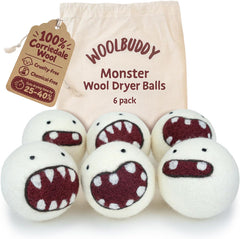
The two listings that turn over fastest here are Monster Dryer Balls 6 PCS Natural Handmade Wool Balls for Laundry and Laundry Dryer Balls, Clothes Come Out Soft, Fluffy, Set of 4, Natural, which is usually the tell for fit and finish. Each can be ordered alone, so you can test one against your space before adding the second.

What happens if the size is wrong?

Damaged or wrong-size items are handled from the order page within 30 days of delivery. Send photos with the order number and the size or finish you expected, and the return or replacement label follows from there.

What should I measure before ordering?

Measure the path before the piece: a standard 32 in door gives a 30 to 31 in clear opening, a hallway needs 36 in of width to turn a box, and the room needs the finished footprint plus 2 to 3 in of slack to place it against a wall.

Filters