Nesting Tables
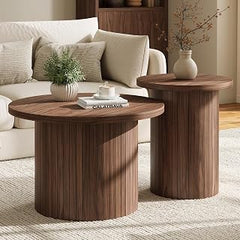
Nesting tables buy floor space back. A set of two or three sits with the smaller top tucked under the larger one, taking the footprint of a single table, then pulls out when a second surface is needed — a side table becomes a coffee table plus a laptop stand in one motion. The height step between tops is usually 2 to 4 inches, and the gap between them, 1 to 2 inches on each side, is what allows the pull-out without scraping.
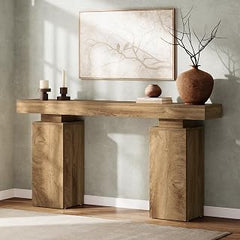
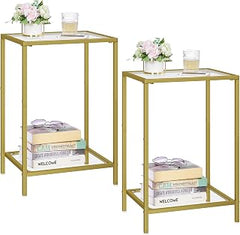
Material sets the tradeoff. Wood and rustic sets at 24 to 30 inches wide hold a tray, a lamp and a stack of books and take 50 to 100 pounds; metal and glass sets look lighter, wipe clean, and ring when something hard lands on the top. Round nesting sets are easier to walk around in a tight room than rectangles and leave no sharp corner at shin height.
Check the nesting direction before you place the set: the smaller table has to exit toward open floor, not into a sofa. Dust glass with a microfiber cloth, wipe wood with a dry cloth, and lift rather than drag when moving a nested set.