Cheese Tools
Cheese Tools is a practical category, and the right choice is whichever fits the space you actually have. Small kitchen tools are the layer between a recipe and a result, and most of them are bought because a specific step kept going wrong.
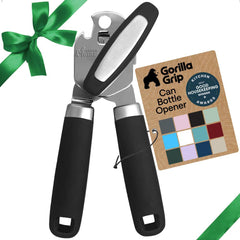
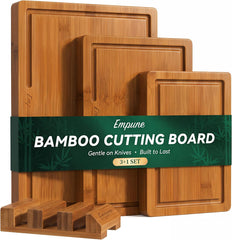
End-grain wood boards are gentler on edges and self-healing, while plastic boards are dishwasher safe and harder on knives. A colander's hole size decides its use: fine mesh for rinsing grain, wide holes for draining pasta. Stainless measuring spoons are more accurate than stamped plastic and do not drift with heat. Prefer one-handed operation for anything used daily, which is why a can opener with a built-in magnet beats a manual one. Buy the tool for the step that fails: a dull knife needs a whetstone or a sharpener, not a new knife.
Hone knives on a stone every few months, oil wooden boards monthly, and dry carbon steel immediately to prevent rust spots. For cheese tools, fit and upkeep are the two things you cannot change later, so settle them first.