Mattresses
A mattress is the purchase where the return policy matters as much as the construction, because comfort cannot be judged in five minutes. This collection covers foam, hybrid, innerspring and pillow-top mattresses, in twin through California king, including mattresses in a box.
Look at three things. Support layer: pocketed coils read as bouncy and sleep cooler, dense foam is quieter and isolates motion better, and hybrids split the difference. Feel: a medium mattress suits most side and back sleepers, a firm one suits stomach sleepers and heavier bodies, and a plush top is comfortable initially but can sag on a weak base. Base: a mattress needs a flat, rigid foundation; a slatted base with wide gaps or an old box spring will shorten its life.
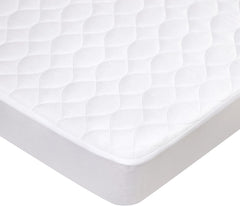
Rotate a new mattress head to foot every few months and use a protector from day one to keep the warranty valid. Standard sizes are fixed and worth measuring before anything else: twin 38 x 75 inches, twin XL 38 x 80, full 54 x 75, queen 60 x 80, king 76 x 80, California king 72 x 84. Profile height runs 8 to 10 inches on a tight-budget mattress, 10 to 12 on most foam and hybrid models, and 13 to 15 on pillow-top and euro-top builds that need deeper sheets.