Outdoor Clocks
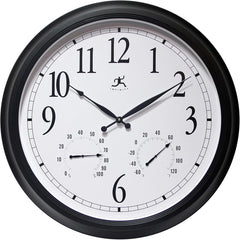
Shopping for Outdoor Clocks gets easier once you know which measurement actually governs the choice. Clocks in a home are read at a distance, which is why dial size and contrast decide usability more than movement quality.
Weight-driven mechanical clocks need winding every 7 days and are set by hand, which is part of the appeal rather than a flaw. Outdoor clocks need an IP rating and a sealed movement, and double-sided models are meant to hang under a porch rather than in rain. A wall clock in a living room needs a 12- to 24-inch dial to be readable across the room; a desk clock can be 4 to 8 inches. Measure the wall height for a floor clock including the finial, not just the case. Check the dial contrast before the style, since light hands on a light face are unreadable at distance.
Replace batteries annually before they leak, dust the case with a dry cloth, and have a mechanical movement serviced every 5 to 7 years. Set a realistic budget for outdoor clocks after you read the care and material notes, not before.