Thermoses
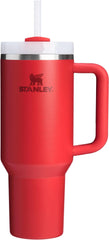
Most people buy Thermoses twice: once to find out what they needed, and once to get it right. Tabletop goods are bought as sets and judged on how they handle heat, stacking and the dishwasher, which is where most pieces fail.
Stack height and rim shape decide cabinet fit, so measure shelf clearance before buying a 12-piece dinnerware set. Stoneware and porcelain are fired above 1200 degrees Celsius and are dishwasher and microwave safe; earthenware is lower fired and more porous. Glassware is tempered for heat resistance, and lead-free crystal is the practical middle ground for daily use. Choose open-stock patterns if you expect breakage, because replacing a single plate is easier than replacing a 16-piece set. Match flatware gauge to how it feels in the hand, since 18/10 at a heavier gauge is what most people recognize as quality.
Rinse acidic and salty residue before stacking, avoid sudden temperature change on stoneware, and polish glassware with a lint-free cloth rather than a towel. Compare thermoses on how it is made before you compare it on how it is photographed.