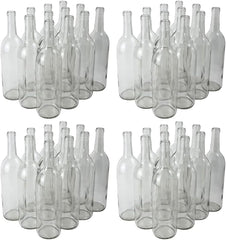
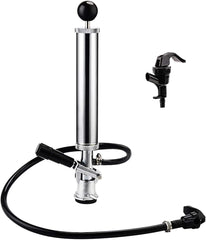
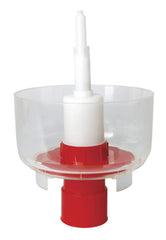
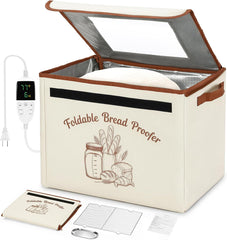
Wine Making
Most people buy Wine Making twice: once to find out what they needed, and once to get it right. Preserving and fermenting equipment is bought in systems, and each system has one critical specification that decides whether the batch succeeds.
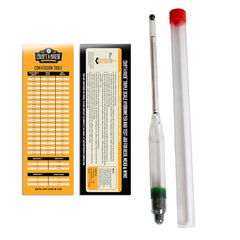
Fermentation needs an airlock and a brine ratio, with 2 to 3 percent salt by weight the common vegetable standard. Glass carboys and food-grade plastic buckets both work, and plastic is safer to handle but scratches and harbours microbes. Wine-making needs sulphite control and a fermenter with a narrow neck, since oxygen exposure is what turns a batch acetic. Choose the preservation method by the food's acidity, since water-bath canning low-acid food is a genuine safety error. Buy a hydrometer before anything else if you are brewing, because alcohol and sugar readings are the only way to know a batch is finished.
Sanitise everything that touches the batch, never reuse single-use lids, and store finished jars without stacking them on the seal. Assemble or install wine making once with the right tools and it will stay put; shortcuts show up within a season.