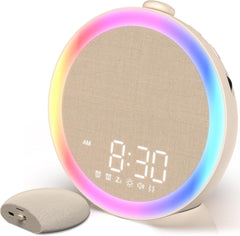
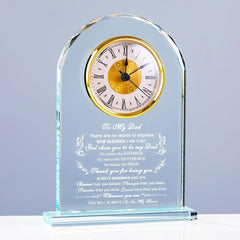
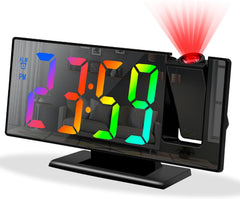
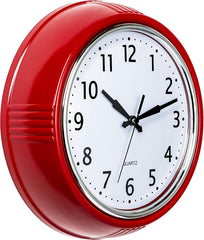
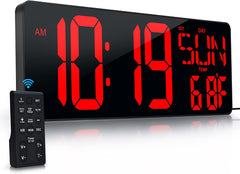
Alarm Clocks
Alarm Clocks covers a wider range than most shoppers expect, and the range is the reason a shortlist helps. Clocks in a home are read at a distance, which is why dial size and contrast decide usability more than movement quality.
Outdoor clocks need an IP rating and a sealed movement, and double-sided models are meant to hang under a porch rather than in rain. Quartz movements are battery powered and silent versions use a sweep or continuous second hand. Weight-driven mechanical clocks need winding every 7 days and are set by hand, which is part of the appeal rather than a flaw. Measure the wall height for a floor clock including the finial, not just the case. Choose a silent movement for a bedroom, where a ticking quartz movement is genuinely disruptive.
Replace batteries annually before they leak, dust the case with a dry cloth, and have a mechanical movement serviced every 5 to 7 years. Treat the spec table for alarm clocks as the short version of the manual; it covers the parts that wear out first.