Desk & Shelf Clocks
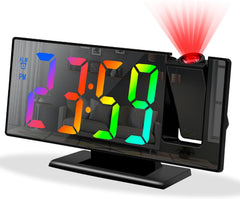
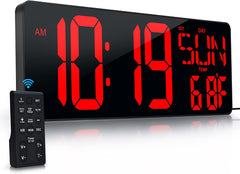
Desk & Shelf Clocks looks like a style decision and turns out to be a specification decision. Clocks in a home are read at a distance, which is why dial size and contrast decide usability more than movement quality.
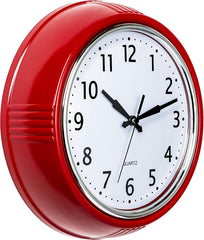
Quartz movements are battery powered and silent versions use a sweep or continuous second hand. A pendulum or grandfather clock needs 6 to 8 feet of wall height and a level floor, since the case must not lean. Weight-driven mechanical clocks need winding every 7 days and are set by hand, which is part of the appeal rather than a flaw. Check the dial contrast before the style, since light hands on a light face are unreadable at distance.
Replace batteries annually before they leak, dust the case with a dry cloth, and have a mechanical movement serviced every 5 to 7 years. Treat the care label on desk & shelf as part of the decision, not as something to read after delivery.