Spoon Rests
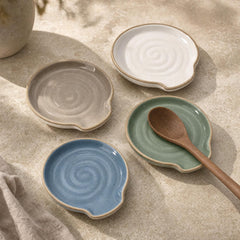
The honest way to shop Spoon Rests is to start from the number that limits everything else. Small kitchen tools are the layer between a recipe and a result, and most of them are bought because a specific step kept going wrong.
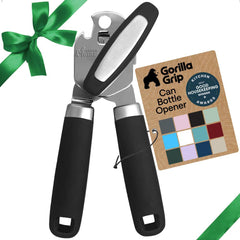
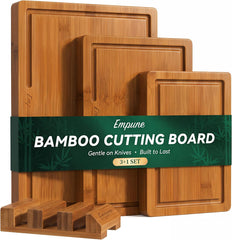
A colander's hole size decides its use: fine mesh for rinsing grain, wide holes for draining pasta. End-grain wood boards are gentler on edges and self-healing, while plastic boards are dishwasher safe and harder on knives. Silicone utensils are heat safe to about 230 degrees Celsius and will not scratch a coated pan. Prefer one-handed operation for anything used daily, which is why a can opener with a built-in magnet beats a manual one. Check dishwasher claims honestly, since wood, carbon steel and cast aluminum all degrade in a dishwasher.
Hone knives on a stone every few months, oil wooden boards monthly, and dry carbon steel immediately to prevent rust spots. If two options of spoon rests look alike, the difference is usually in the construction notes.